Mountain Vista Jeep Safari

Category

Safaris

Group Size

12

Duration

23 Dyas

Overview

Embark on an immersive journey through Northern Pakistan, offering an unparalleled exploration of its rich landscapes and diverse cultures. Your adventure begins in the vibrant capital, Islamabad, and takes you through the stunning Swat Valley, leading to the serene village of Ayun, where you’ll experience the unique culture of the Kalash tribe.

Continuing northeast, you’ll travel through Mastuj and over the spectacular Shandur Pass, making your way to Gilgit. From there, ascend to the breathtaking Hunza Valley, where you’ll enjoy a memorable stay.

The return leg of the journey follows the iconic Karakoram Highway, passing through Gilgit once again. Heading east, you’ll explore the enchanting towns of Shigar and Khaplu, with curated accommodations in our preferred properties, before reaching Skardu. The final leg of your expedition takes you to the high-altitude Deosai Plateau and the scenic Fairy Meadows, offering more awe-inspiring mountain views.

Your journey culminates with a descent through Naran, bringing you back to Islamabad. This carefully crafted itinerary promises an unforgettable experience, combining natural wonders with rich cultural encounters throughout Northern Pakistan.

Region

Asia | Baltistan | Chitral | Diamir | Gilgit | Hunza | Nagar | Swat

Period

Autumn | Spring | Summer

Level

Easy

Comfort

Normal

Itinerary

Arrive into Islamabad airport, where you will be met by Trove Travel representatives and transferred to your hotel. This afternoon, kick off your tour with a visit the Institute of Folk Heritage, known as Lok Versa – a small ethnological museum displaying numerous costumes and artefacts from all over Pakistan – and from here proceed to the Faisal Mosque.

Today you will start your journey north by driving through the Northwest Frontier and into the beautiful Swat Valley. Follow the GT Road to Malakand Pass, Butkhela, Chakdara and Saidu Sharif. Until quite recently this region was out of bounds to foreign tourists, but now it has opened up again offering you a great chance to explore the regions ancient Buddhist past. Once you have checked into your hotel, you'll visit the local museum, packed with many fine Gandharan artefacts, and other Buddhist sites. Then visit the famous archaeological site of Butkara, which is one of oldest Buddhist stupas in Ghandhara.

After breakfast you will embark on a spectacular drive, passing Chakdara - where young Winston Churchill saw action back in the 1890s - before continuing over the Lowari Pass (or going through the new tunnel) and into the ancient kingdom of Chitral. Here you'll drive on to Ayun, where you'll check into the wonderful home of Prince Maqsood Ul Mulk - an old friend of Wild Frontiers. Encircling the fort is the farm and an orchard growing seasonal fruits. The Prince is a keen botanist so be sure to take a walk in the garden to admire the impressive variety of roses. Standing at the entrance to the Kalash Valleys, surrounded by wonderful views, this is a lovely laid-back place to end your day.


After breakfast, you will drive into the Valley of Rumbor and the village of Balanguru where you stay with our good friend Saifullah Jan, the chief spokesperson for the colourful Kalash people. You also have the option of walking the last few miles through this gorgeous valley. The Kalash, numbering approximately 3,000, are the smallest religious minority of Pakistan. Unlike the other minorities in the country, they live exclusively in a particular geographical area; the three valleys of Birir, Bumburet and Rumbur. Situated in the Hindu Kush between the Afghan Border and Chitral Valley, the Muslim label the community Kalash Kafirs' (non-believers) and their area Kafirstan.

After breakfast drive to the Bumburet Valley, the most picturesque of the three, scattered with villages and long, fertile stretches of cultivation. Upon arrival do spend as much time with the Kalash families as possible, learning about their culture, lifestyle and how they are slowly transitioning into the modern world.

Today you will leave the beautiful Kalash Valleys. Heading back down the winding rocky tracks through the soaring Hindu Kush mountains, you will continue your journey towards the sleepy and conservative mountain town of Chitral. Hopefully you can catch a game of mountain polo, if a match is being played, before checking into your hotel for the night.

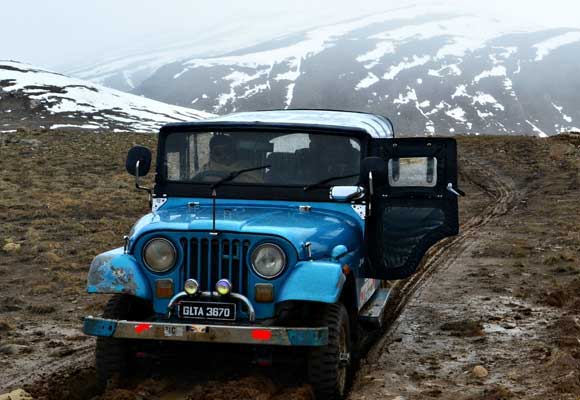
After breakfast you will drive to Mastuj, 110 km north-east of Chitral town, in a 4x4 jeep. This is one of the most beautiful and dramatic drives you are ever likely to take as we wind our way up the Mastuj Valley, passing Tirich Mir and BoniZong, before finally entering the Yarkund Valley at the top of which lies Afghanistan's Wakhan Corridor. On arrival you can take a stroll around the village before retiring to your hotel.

After breakfast you will drive to Mastuj, 110 km north-east of Chitral town, in a 4x4 jeep. This is one of the most beautiful and dramatic drives you are ever likely to take as we wind our way up the Mastuj Valley, passing Tirich Mir and BoniZong, before finally entering the Yarkund Valley at the top of which lies Afghanistan's Wakhan Corridor. On arrival you can take a stroll around the village before retiring to your hotel.

Today after breakfast you will drive to the Shandur Pass, stopping for tea en route at the top of the pass at 3,800 metres. From here, if you'd like, you can walk to the Langer – a beautiful plain used for grazing the yaks and dzos – where you can enjoy a nice picnic lunch before getting back in your jeep again and drive on to Yasin Valley.

After breakfast you will travel on to Gilgit through some of Northern Pakistan's most dramatic scenery.

After breakfast stop off in town to visit the Christian cemetery before yet another amazing drive, leading you up the Karakoram Highway beside the titanic form of Mount Rakaposhi and on into the beautiful Hunza valley. The sight of this great mountain, all 7,788 metres of it, basking in the sun beside the road, will surely leave you speechless. You can have lunch on the way at the Rakaposhi View Restaurant where you will witnes

Today head up above Karimabad town for a water channel walk with spectacular views out across the valley. Head back down into town where you can have lunch on one of the rooftop restaurants. After this you will have time to relax, shop and wander, before taking a sightseeing trip to the famous 15th century Baltit fort, once the seat of power in the Hunza state and recently restored by UNESCO to a fantastic standard. In the late afternoon you'll return to your accommodation.

Enjoy a day at leisure in one of the most beautiful places on earth. You may instead like the option to explore further, and drive out to Nagar Valley to take a short walk on the Hoper Glacier, or enjoy a visit to the lake at Attabad. In January 2010 a massive landslide blocked the Hunza River, which submerged 22km of the KKH by forming a beautiful azure lake. Here you can take boat ride towards the northern shore giving a great opportunity to photograph the famous cathedral peaks.

Today, you will begin your journey south down the famous Karakoram Highway to Gilgit. Your route will take you via the Rakaposhi view point providing a fabulous opportunity to view this gigantic mountain basking in the sunlight. The journey will take around 4 hours as you enjoy stops along the way.

Early this morning enjoy a short tour of Gilgit with your guide, stopping off at the popular polo grounds and the very typical mountain bazaar. Next leave Gilgit and drive through the narrow gorge that is known as the "Grand Canyon" of Northern Pakistan, following the course of the untamed Indus River to Shigar.

After having breakfast take a walking tour of the 14th century Amburiq Mosque that received a UNESCO award for restoration and the restored Khanqah. Following this, continue your drive on to Khaplu to check into your hotel. In the afternoon explore Khaplu Palace, the village and the Khanqah (a place of spiritual retreat which also housed journeymen).

You will be driven from the ancient kingdom of Khaplu, 105 kilometres west to Skardu, on a journey of around 2 hours. You can enjoy a walk through the town's main bazaar to the 'organic village' via an old trail at the foot of Kharpocho Fort. See if you can catch a game of Polo at the town's main field and visit the K2 museum at the K2 Motel. This is an ideal way to experience the capital of Baltistan and understand the life of the locals and the mountaineers that visit.

After an early breakfast, continue your journey to the Deosai Plateau National Park. This plateau is a stunning 4,000m high wildlife wilderness complete with an array of wild flowers at certain times of year. Enjoy a hearty picnic lunch with views of the Himalayas before continuing on to the alpine meadows of Astore and Rama Lake.

Continue the road journey towards Chilas today. Once you leave the alpine meadows of Rama and Astore, you will enter thes Astore Gorge, one of the most dramatic and impressive landscapes in the world. Eventually reach Raikot Bridge, where you will switch to local 4x4 jeeps and continue up a narrow and steep mountain road to Fairy Meadows. The drive is quite the adventure, but well worth it!

Fairy Meadows, locally known as Jut, is a grassy pasture near one of the base camp sites of the mighty Nanga Parbat Mountain (8126m). Today you will hike towards Nanga Parbat base camp, passing through lush green meadows and pine forests and surrounded by some of the most stunning scenery.

Today say goodbye to this peaceful haven as you start your journey back down and on to Naran. Make a short stop at the top of the 4100-metre-high Babusar Pass to enjoy the stunning view of the Himalayas, Karakorum and Hindu Kush mountain ranges before proceeding to Naran.

Today you will continue your journey stopping en route in Taxila, a fascinating Buddhist university town, dating back to the Ghandaharan era of Alexander the Great. Departing Taxila, you will continue the short distance to Islamabad for your final night.

This morning you will be transferred to the airport in time to catch your onward flight.

Frequently Asked Questions

Breakfast: Our breakfast typically includes a variety of options such as omelets, fried or boiled eggs, fried Pakistani bread (paratha), chapati, toast, pancakes, porridge, cereal, jam, Nutella, honey, marmalade, cheese, and more, served with green tea, coffee, or milk tea.

Lunch: Unlike other trekking agencies, we offer a fresh, wholesome lunch instead of packed meals. This includes soup, tuna fish, boiled potatoes, eggs, assorted cookies, bread, cheese, dried fruits, and nuts, along with green tea, coffee, or juice.

Dinner: Each dinner begins with a warm soup, followed by a variety of dishes that change daily. These may include different vegetable dishes, a selection of meats (chicken, beef, or mutton), served with rice, noodles, pasta, lentils, potatoes, French fries, and chapati bread. For dessert, we offer fresh fruit or pudding at every meal.

Snacks: Between lunch and dinner, we provide a daily selection of snacks, such as cookies, pakoras, and popcorn, along with hot beverages.

Note: We accommodate specific dietary needs, including vegetarian, vegan, and lactose-intolerant diets. Please feel free to contact us for more information on dietary options.

The timing of your flight will depend on your specific itinerary and preferences, wherever possible. For the standard K2, K2 Gondogoro La, and Snow Lake treks, we typically schedule the flight on day 2 of your itinerary, flying from Islamabad to Skardu.


It's a valid question, as the news from Pakistan often focuses on the negative, but the image many people have abroad is far from the reality. While there were legitimate concerns in the past about safety, a lot has changed in recent years. The security situation has improved significantly, and the government has been making concerted efforts to promote tourism and facilitate travel.

When you visit, you'll quickly notice the warmth and hospitality of Pakistanis. They are eager to meet visitors and often extend invitations to their homes. Pakistan is a large and diverse country, and we only offer tours and treks to areas we consider safe. We currently do not recommend traveling to the border regions with Afghanistan and certain parts of Balochistan, but most other areas are safe to visit without any issues.

Yes and no, it is your own responsibility to select a trek that is suitable for you in terms of you personal fitness level as well as experience – if you book a private trek then you have all the flexibility to customize it and for example add extra days or extra supporting staff if needed. If you book a trek with an open group then we try to only let people join who have a certain experience level. Please don’t hesitate to contact us in case you would like us to help you select the best trek for you.

Yes, all the tours and treks that we offer on our website can be completely customized to your own requirements. We are also happy to design a tailor-made tour for you from scratch. Just let us know your preferences, special interests, number of days you have available etc. and we will send you our personalized itinerary suggestions.

For certain types of treks you will require a trekking visa – for example all the K2 treks. If a trekking visa is required then we will inform you accordingly during your booking, there are a lot of treks which are not in a restricted area and therefore you will only need a standard tourist visa.

If you have to apply for a standard tourist visa then 1 month in advance should be sufficient – in most cases you will receive your visa within a few days / a week – you should not apply more than 3 months in advance. If you have to apply for a trekking visa then you will need to be prepared for a longer processing time, we recommend to apply 3 to 2 months in advance.


Yes, it is possible to rent certain items from us or we will put you in contact with a trusted local supplier who can provide you with the things you need. Some of the standard gear which we can arrange are crampons, climbing belts, ice axes and climbing helmets.

The summer period is the main trekking season in the north of Pakistan. For most treks this would be from June to September with July and August being the best months.

This will depend on the type of tour that you are planning. Please make sure to consult your travel insurance before your trip to make sure you have proper coverage for your tour and the activities you will undertake. Especially when you go on a trek it is important to have mountain emergency search and rescue / repatriation by helicopter included in your insurance package.


What's Included

What's Not Included

Call Now Button