Shangri-La Hunza Tour

Category

Cultural Tours

Group Size

12

Duration

9 Dyas

Overview

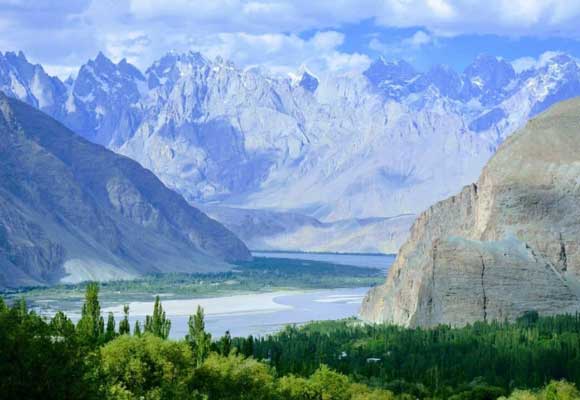
Hunza Valley is a picturesque and culturally rich region in the Gilgit-Baltistan region of Pakistan. It is known for its breathtaking landscapes, ancient traditions, warm hospitality, and stunning mountain views.

Hunza Valley is a mountain valley in northern Pakistan that connects Pakistan to China via the Khunjerab Pass. The snow-capped peaks of the Himalayas, Karakoram and Hindu Kush mountain ranges are constantly in view as you travel along the route that was once part of the ancient Silk Road that connected China to Europe. Hunza Valley is often referred to as Shangri-La (Paradise on Earth) and the valley is believed to have been the inspiration for the mythical Shangri-La Valley in James Hilton’s novel Lost Horizon. The Karakoram Highway was built between 1959 and 1979. It is one of the highest paved international roads in the world and is also known as the 8th Wonder of the World. With a total length of 1,300 km and an elevation of 4,693 m, this impressive highway was very expensive to build and it is said that one person died for every kilometer of road. The region is beautiful and fascinating due to its famous ethnic diversity and natural landscapes.

Region

Hunza

Period

Autumn | Spring | Summer

Level

Easy

Comfort

Normal

Itinerary

Meet-and-greet by Trove Travel Tours guide upon arrival at Islamabad International Airport. Transfer to the hotel/guesthouse in central Islamabad. After a few hours of rest, we go on a guided city tour. Overnight in Islamabad.

In the morning, we shall head towards Chilas Valley, It would first take us only 5 hours as the new motorway is built till Besham and then further we shall have drive more 9 to 10 Hours, It would be all Karakorum Road, full of adventure, waterfalls & local towns, overnight in Chilas.

Today we start our journey on the Karakoram Highway. This highway crosses the Karakoram mountain range to connect China and Pakistan, passing through Khunjerab Pass at an altitude of 4,693 meters. Due to its high altitude and the difficult conditions during its construction, this highway is also called the 8th wonder of the world. The Karakoram Highway was built by the governments of Pakistan and China between 1959 and 1979. More than 1,000 workers died during its construction. The Karakoram Highway route follows one of the many paths of the ancient Silk Road. We reach Hunza in about 6 hours. On the way, we can see many views, including Nanga Parbat, the 9th highest peak in the world at 8,126 meters above sea level. We take photos from the road. Our next destination is near Rakaposhi Peak, which is part of the Karakoram mountain range and is 7,780 meters above sea level. We spend some time at Attabad Lake, which was formed in 2010 after a massive landslide on the Hunza River near Attabad, and go boating there before continuing on to Passu where we stay overnight in a hotel.

After breakfast we will visit the Khunjerab National Park - the highest international border between Pakistan and China, at over 4,500 m above sea level. Once we are back from China border after 8 hours, we shall visit Gulmit Village , where we can enjoy the local hand made products , rugs and explore natural lifestyles of the locals. Overnight in hotel.

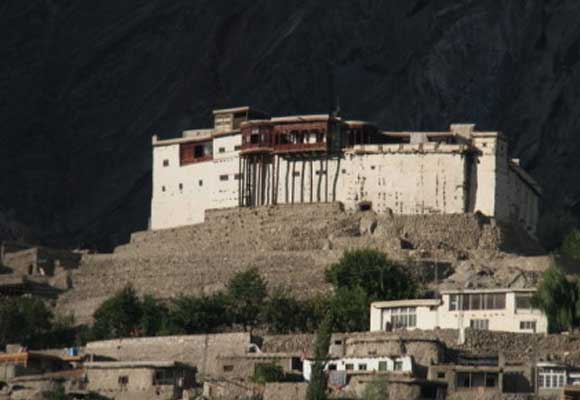
After breakfast, we will drive to the center of Hunza. The drive there takes only 45 minutes. We will visit Baltit Fort of Hunza. This fort is a 1000 year old fort that was once used as a residence by the royal family of Hunza. It was restored by the Aga Khan Foundation in 1996. Then we will visit another historical fort, Altit Fort, before returning to Hunza at Karimabad Bazaar where we will have free time for shopping. Overnight in Hunza.

Drive southwards to the historic Silk Route town of Gilgit, the administrative hub of Northern Pakistan. In the afternoon, embark on a city tour of Gilgit, including visits to a local school, a traditional Gilgit home, the renowned polo grounds, and the bustling mountain bazaar. Conclude the day with a visit to the remarkable Buddha rock carvings near Kargah.
Overnight stay at the hotel.

Today, we will drive along the Karakoram Highway (KKH) to Besham, a rapidly developing commercial town. Following the downstream course of the Indus River, we will pause for photo stops, including the confluence of the Indus and Gilgit rivers. Another highlight is the unique point where three majestic mountain ranges—the Karakoram, Himalayas, and Hindu Kush—meet, with the Nanga Parbat viewpoint offering a breathtaking panorama in the backdrop. Along the way, we will also visit Chilas and Shatial to admire ancient rock carvings before arriving in Besham.
Upon arrival, transfer to the hotel.
Overnight stay at the hotel.

In the morning, drive to Islamabad with a stopover at Taxila en route. Once a flourishing center of oriental culture, Taxila is now a fascinating site of ancient ruins. Located just 32 km from Rawalpindi, it is renowned for rare stucco specimens from the Gandhara period excavated at Sirkap, as well as numerous Buddhist stupas and monasteries.

Taxila's history dates back to the 6th century BC when it was part of the Achaemenian Empire under Darius the Great, as mentioned in the inscriptions at Beghistun. It later saw the invasion of Alexander the Great, followed by rule under the Mauryas (including Ashoka the Great), Bactrian Greeks, Scythians, Parthians, and Kushan kings. Taxila met its decline around 450 AD when it was plundered by the White Huns.

Today is a free day until your scheduled transfer to Islamabad Airport for your departure flight.

End of the tour.

Frequently Asked Questions

Breakfast: Our breakfast typically includes a variety of options such as omelets, fried or boiled eggs, fried Pakistani bread (paratha), chapati, toast, pancakes, porridge, cereal, jam, Nutella, honey, marmalade, cheese, and more, served with green tea, coffee, or milk tea.

Lunch: Unlike other trekking agencies, we offer a fresh, wholesome lunch instead of packed meals. This includes soup, tuna fish, boiled potatoes, eggs, assorted cookies, bread, cheese, dried fruits, and nuts, along with green tea, coffee, or juice.

Dinner: Each dinner begins with a warm soup, followed by a variety of dishes that change daily. These may include different vegetable dishes, a selection of meats (chicken, beef, or mutton), served with rice, noodles, pasta, lentils, potatoes, French fries, and chapati bread. For dessert, we offer fresh fruit or pudding at every meal.

Snacks: Between lunch and dinner, we provide a daily selection of snacks, such as cookies, pakoras, and popcorn, along with hot beverages.

Note: We accommodate specific dietary needs, including vegetarian, vegan, and lactose-intolerant diets. Please feel free to contact us for more information on dietary options.

The timing of your flight will depend on your specific itinerary and preferences, wherever possible. For the standard K2, K2 Gondogoro La, and Snow Lake treks, we typically schedule the flight on day 2 of your itinerary, flying from Islamabad to Skardu.


It's a valid question, as the news from Pakistan often focuses on the negative, but the image many people have abroad is far from the reality. While there were legitimate concerns in the past about safety, a lot has changed in recent years. The security situation has improved significantly, and the government has been making concerted efforts to promote tourism and facilitate travel.

When you visit, you'll quickly notice the warmth and hospitality of Pakistanis. They are eager to meet visitors and often extend invitations to their homes. Pakistan is a large and diverse country, and we only offer tours and treks to areas we consider safe. We currently do not recommend traveling to the border regions with Afghanistan and certain parts of Balochistan, but most other areas are safe to visit without any issues.

Yes and no, it is your own responsibility to select a trek that is suitable for you in terms of you personal fitness level as well as experience – if you book a private trek then you have all the flexibility to customize it and for example add extra days or extra supporting staff if needed. If you book a trek with an open group then we try to only let people join who have a certain experience level. Please don’t hesitate to contact us in case you would like us to help you select the best trek for you.

Yes, all the tours and treks that we offer on our website can be completely customized to your own requirements. We are also happy to design a tailor-made tour for you from scratch. Just let us know your preferences, special interests, number of days you have available etc. and we will send you our personalized itinerary suggestions.

For certain types of treks you will require a trekking visa – for example all the K2 treks. If a trekking visa is required then we will inform you accordingly during your booking, there are a lot of treks which are not in a restricted area and therefore you will only need a standard tourist visa.

If you have to apply for a standard tourist visa then 1 month in advance should be sufficient – in most cases you will receive your visa within a few days / a week – you should not apply more than 3 months in advance. If you have to apply for a trekking visa then you will need to be prepared for a longer processing time, we recommend to apply 3 to 2 months in advance.


Yes, it is possible to rent certain items from us or we will put you in contact with a trusted local supplier who can provide you with the things you need. Some of the standard gear which we can arrange are crampons, climbing belts, ice axes and climbing helmets.

The summer period is the main trekking season in the north of Pakistan. For most treks this would be from June to September with July and August being the best months.

This will depend on the type of tour that you are planning. Please make sure to consult your travel insurance before your trip to make sure you have proper coverage for your tour and the activities you will undertake. Especially when you go on a trek it is important to have mountain emergency search and rescue / repatriation by helicopter included in your insurance package.


Highlights

Discover the Magic of Hunza Valley

  • Karimabad’s Charm: Experience the allure of Karimabad, a picturesque town rich in natural beauty and cultural heritage.
  • Majestic Mountains: Marvel at towering peaks like Rakaposhi and Ultar Sar, leaving you in awe of nature’s grandeur.
  • Baltit Fort: Step back in time at Baltit Fort, a historical gem narrating the region’s fascinating past.
  • Altit Fort: Discover the rich history and architecture of the ancient Altit Fort.
  • Attabad Lake: Visit the stunning turquoise Attabad Lake, a natural wonder formed by a landslide.
  • Passu Cones: Witness the unique and dramatic Passu Cones, a testament to the Earth’s natural transformations.
  • Sust Village: Engage with the warm and welcoming people of Sust Village and learn about their way of life.
  • Gojal Valley: Explore the breathtaking Gojal Valley, surrounded by towering mountains and scenic vistas.
  • Gulmit Village: Experience the blend of old traditions and modern living in Gulmit Village.
  • Enchanting Sunsets: Be mesmerized by the stunning sunsets that paint the Hunza sky in vibrant hues.
  • Delicious Local Cuisine: Savor the unique and flavorful Hunza dishes, rich in cultural history.
  • Warm Hospitality: Enjoy the kindness and hospitality of the people of Hunza, making you feel at home.

Embark on the Hunza Shangrila Express Tour for an unforgettable journey through captivating landscapes, vibrant culture, and timeless stories. Every moment promises to create cherished memories that will stay with you forever

Call Now Button